
Drain Cleaning for Lansing Sinks, Tubs and Main Lines
Slow and clogged kitchen, bathroom and floor drains cleared, and main lines checked with a camera when the trouble runs deeper.
A slow drain is usually one of two things: a clog close to the fixture, in its trap or the branch line behind the wall, or a blockage farther down in the main line that every drain shares. Telling the two apart decides the work. We clean kitchen and bathroom drains, and on a main line we clear the pipe with a cable or a hydro jet and run a camera through it to see what is wrong.
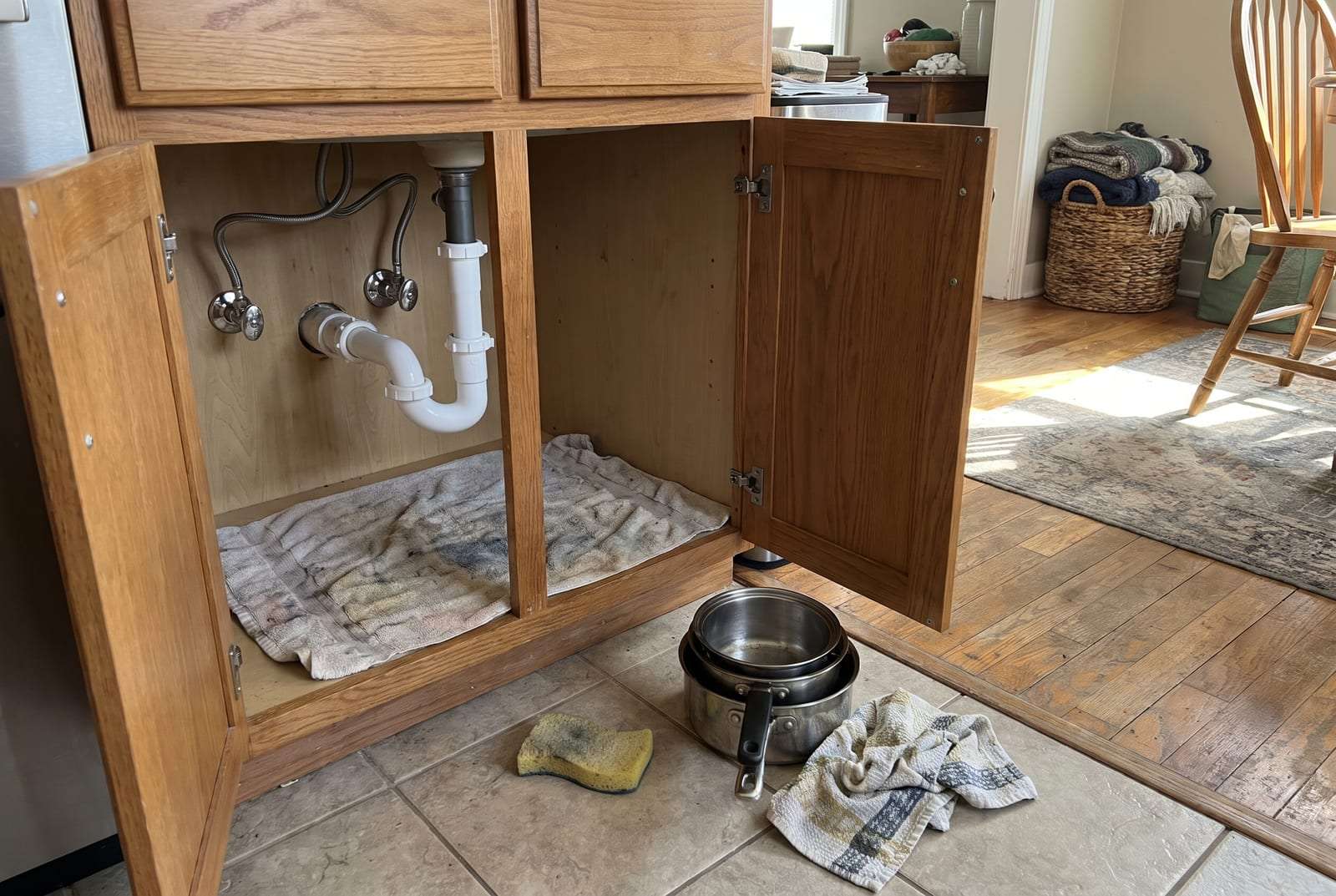
Which Drain Is Slow, and Where the Clog Usually Sits
Which drains act up, and when, says a lot about where the blockage is. Waste backs up to the lowest opening first, so a main line problem usually shows at a basement floor drain before anywhere else.
| Symptom | Likely location of the blockage | Usual next step |
|---|---|---|
| One bathroom sink drains slowly | The pop-up stopper or the trap under the sink, where hair and soap collect | Clean the stopper, then clear the trap or run a hand auger into the branch line |
| Tub or shower water pools around your feet | Hair caught at the drain stopper or in the trap under the tub | Clean the stopper and strainer, then run a hand auger through the trap |
| Kitchen sink backs up into the other bowl, or after the dishwasher runs | The kitchen branch line, where grease and food scraps coat the pipe wall | Cable the line, and hydro-jet it if grease clogs keep returning |
| A toilet gurgles when the tub or a sink drains | A partial clog in the drain those fixtures share, or a blocked vent pipe on the roof | Clear the shared drain, and check the vent if the drains run clear |
| Water comes up the basement floor drain when the washer empties, or several drains slow at once | The main building drain or the sewer lateral to the street: roots, grease or a broken section | Stop running water, clear the main line from the cleanout, and look inside it with a camera |
| The same drain clogs again every few months | Grease or scale left on the pipe wall, a low spot in the line, or roots that grew back | A camera inspection after clearing, then hydro-jetting or a repair of the bad section |
When the lowest drain in the house backs up, more water only makes it worse: hold off on laundry, dishes and showers until the main line is clear. Sewage already on the basement floor is a plumbing emergency.
Snaking, Hydro-Jetting and Camera Inspection Compared
Each method does a different job, and on a main line they often follow one another.
Snaking With a Cable
- Best for
- Hair and soap clogs, a single blockage in a branch line, and cutting roots out of a main line.
- What it clears
- A spinning steel cable with a cutting head bores through hair, paper, wipes and roots.
- When it is not enough
- Grease and scale on the pipe wall stay behind, so the clog can return, and a cable cannot fix a cracked or sagging pipe.
Hydro-Jetting
- Best for
- Kitchen lines packed with grease, main lines that clog again and again, and fine roots left after cabling.
- What it clears
- Water at high pressure scours the whole pipe wall and washes grease, sludge, scale and root hairs down the line.
- When it is not enough
- It cannot mend a broken or collapsed pipe, and it can make that kind of damage worse.
Camera Inspection
- Best for
- Clogs that keep coming back, a suspected break, and checking a line after it has been cleared.
- What it clears
- Nothing: it shows the inside of the pipe on a screen, and a locator above ground marks where and how deep a problem sits.
- When it is not enough
- It finds the problem without fixing it, and a line full of standing water may need clearing before it can see.

On a kitchen or bathroom drain, a cable usually settles it. A main line carries everything in the house, roots and grease can both be in it, and the pipe itself may be the problem, so clearing it is only half the job.
The camera answers what a cable cannot: whether the pipe is sound. A clean, round pipe needs nothing more. Roots at a joint, a crack, a shifted joint or a low spot that holds water point to a repair, and when clearing is not enough, we repair or replace the damaged section.
Drain Cleaner Chemicals and Clogs That Keep Coming Back
Is it safe to use a chemical drain cleaner?
It is risky, and it rarely clears a full blockage. Caustic and acid cleaners can burn skin and eyes and damage older metal pipes, plastic traps and fixture finishes. When the bottle does not work, the trap is left full of chemical water that splashes on whoever opens it next, so tell the plumber what was poured in before any work starts.
Why does the same drain keep clogging?
Usually because something stays behind after the clog is opened. A cable punches a hole through grease or scale but leaves the coating on the pipe wall, roots grow back from the same joint, and a low spot in a main line holds waste where it settles. A camera inspection after clearing shows which it is, and that decides between hydro-jetting and a repair.
Should I try a plunger before calling a plumber?
For one sink, tub or toilet, a plunger is a fair first try: a cup plunger for sinks and tubs, with the overflow and the second bowl covered, and a flange plunger for toilets. Do not plunge after pouring in a chemical cleaner. If several drains are slow or the floor drain is backing up, the clog is in the main line, out of a plunger’s reach.
When Tree Roots Back Up a Basement Floor Drain
Many older houses near downtown Lansing and in East Lansing still drain through clay or cast iron sewer laterals that run past the maples and oaks along the street. Roots find the pipe joints, where a little moisture escapes, and grow inside until a mat of roots catches paper and grease, and the basement floor drain backs up when the washer empties. A cutting head clears the roots, but they grow back from the same joint, so a lasting fix usually means repairing the main sewer line where the camera shows them getting in. Until then, some owners have the line cleared on a schedule.
What Not to Put Down Your Drains
Most kitchen and bathroom clogs start with something that belonged in the trash. Keep these out of sinks, tubs and toilets:
- Cooking grease, fat and oil, which run down warm and harden on the pipe wall; let them set in a can instead.
- Wipes of any kind, even ones labeled flushable, and paper towels. They do not break apart the way toilet paper does.
- Coffee grounds and eggshells, which settle in traps and bind with grease.
- Rice, pasta and potato peels, which swell and turn to paste.
- Stringy scraps such as celery and onion skins, even with a garbage disposal running.
- Hair from brushes and pet grooming.
- Cotton swabs, dental floss and personal products.
- Paint, grout, joint compound and plaster rinsed out after a remodel. They set hard inside a trap.
A strainer in every sink and tub and a jar for grease by the stove prevent more clogs than any bottled cleaner.
Have a Slow Drain Cleared
Pick drain cleaning on the booking form, or call if water is rising through a floor drain right now.